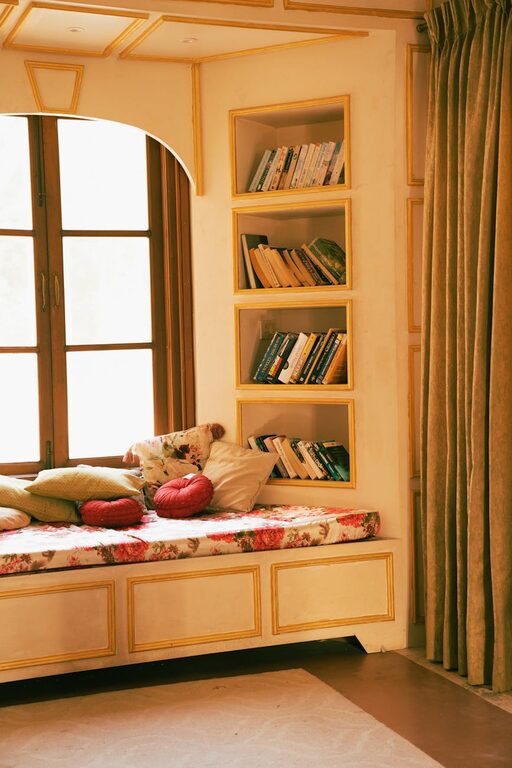





Creating a productive home office environment is essential for anyone working remotely or managing tasks from home. With distractions around every corner, setting up a space that encourages concentration and efficiency can make a big difference in your workday. Whether you have a dedicated room or just a small corner, these tips will help you design a workspace that supports your productivity and wellbeing.
Choose the Right Location
When creating a home office, location is key. Aim for a quiet area away from high-traffic zones like the kitchen or living room. Natural light is beneficial for both mood and alertness, so try to position your desk near a window if possible. If natural light is limited, invest in good quality artificial lighting that mimics daylight to reduce eye strain.
Invest in Ergonomic Furniture
Comfort plays a critical role in productivity. An ergonomic chair that supports your back and encourages good posture will prevent discomfort during long work hours. Pair it with a desk of an appropriate height where your arms can rest comfortably while typing or writing. Consider adjustable furniture to give you flexibility for different tasks and promote movement throughout the day.
Keep Your Space Organised
A cluttered workspace can distract your mind and hinder creativity. Invest in storage solutions like shelves, drawers, and organisers to keep documents, stationery, and devices neatly arranged. Make it a habit to tidy your desk at the end of each day, creating a fresh start for tomorrow.
Set Up Technology Efficiently
Reliable technology is essential for a good home office. Ensure your computer, monitor(s), keyboard, and mouse are set up ergonomically to avoid strain. Use a fast and stable internet connection to minimise interruptions during video calls or downloads. Position your equipment so cables are tidy and out of the way, reducing the risk of accidental disconnections or clutter.
Personalise Without Distraction
Adding personal touches to your office space can make it inviting and motivate you to spend time there. Photographs, plants, or artwork can improve mood and reduce stress. However, keep decorations simple and avoid anything too visually distracting that might divert your attention from work tasks.
Establish Clear Boundaries
Working from home can blur the line between professional and personal time. Establish clear boundaries by defining your work hours and communicating these to others in your household. Try to ‘leave’ your office at the end of the day by shutting down your computer and putting away work-related materials.
Use Sound to Your Advantage
Some people work best in silence, while others prefer background noise. If you find ambient sounds distracting, consider noise-cancelling headphones or soundproofing your room with rugs and curtains. Alternatively, gentle background music or white noise can help mask interruptions and maintain focus.
Prioritise Comfort and Wellbeing
Don’t forget basic comfort factors like room temperature and air quality. Ensure your workspace has good ventilation and isn’t too hot or cold. Taking regular breaks to stretch or move around can also help prevent fatigue and maintain concentration.
Plan Your Workspace Layout
Arrange your desk and equipment to create an efficient workflow. Keep frequently used items within easy reach and cable management organised. If you use more than one monitor or device, position them to reduce neck and eye strain.
Set Daily Goals and Routines
A productive home office benefits from routine. Start your day with a clear list of tasks and goals. Use digital calendars, to-do lists, or productivity apps to stay organised. Establishing a morning routine before you begin work can help set a professional mindset and boost motivation.
—
By carefully designing your home office environment using these tips, you can create a space that supports focus, comfort, and efficiency. Remember, the best home office will reflect your personal working style and needs. Experiment and adjust your setup until you find what works best for you. A little planning and investment can transform your home into a productive and enjoyable workplace.