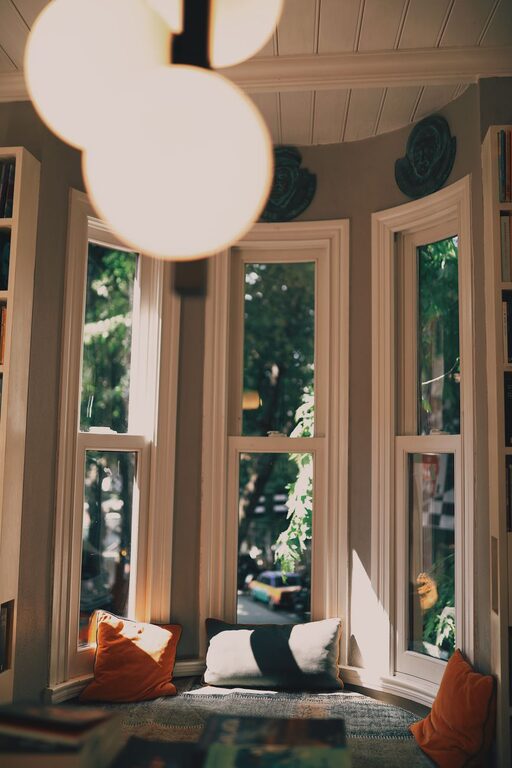




Creating a relaxing home garden space is a wonderful way to bring calm and beauty into your daily life. Whether you have a small balcony, a modest backyard, or a spacious garden, designing an area dedicated to relaxation can improve your wellbeing and provide a peaceful escape from the hustle and bustle of everyday life.
In this post, we’ll explore practical tips to help you create a garden space that invites tranquillity and comfort.
Choose the Right Location
The first step to developing a relaxing garden is selecting the ideal spot. Look for an area that:
– Receives sufficient sunlight according to your plant preferences.
– Offers some shelter from wind and harsh weather.
– Provides privacy from neighbours or passers-by.
– Has relatively flat terrain to make furnishing easier.
If space is limited, consider vertical gardening or using containers to maximise usability.
Focus on Comfort and Seating
Comfortable seating makes a garden inviting and relaxing. Here are some options to consider:
– Benches: A classic garden bench can provide a perfect spot to sit and enjoy the view.
– Hammocks: Ideal for lying down and swaying gently, perfect in a sheltered corner.
– Outdoor chairs and lounges: Choose weather-resistant materials with cushions for prolonged comfort.
Arrange seating to face attractive features like flowerbeds, water elements, or a favourite tree.
Incorporate Soothing Water Features
The gentle sound of water can promote calmness and mask outside noise. Water features to consider include:
– Small fountains
– Birdbaths with trickling water
– Garden ponds with aquatic plants
Ensure water features are easy to maintain and fit naturally into your garden’s style.
Use Plants That Encourage Relaxation
Certain plants can enhance the calming atmosphere of your garden:
– Lavender: Known for its soothing scent and lovely purple flowers.
– Jasmine: Produces sweet-smelling white or yellow blossoms.
– Herbs: Such as mint, chamomile, or lemon balm, which you can also use for brewing tea.
– Ferns and grasses: Offer gentle movement and texture.
Grouping plants by height and colour can create harmonious visual interest.
Pay Attention to Lighting
Proper lighting extends your garden’s usability into the evening and creates a cosy ambiance. Suggestions include:
– Soft solar-powered garden lights along pathways or around seating areas.
– String lights draped over pergolas or fences.
– Lanterns with LED candles for a warm glow.
Avoid bright, harsh lights that can disrupt the peaceful environment.
Add Personal Touches and Decor
Small decorative touches can make your garden feel more personalised and inviting:
– Garden statues or sculptures
– Wind chimes that add gentle sound
– Colourful cushions and throws for seating
– Plant pots in various shapes and designs
Choose items that reflect your style and complement the overall garden theme.
Maintain Your Garden Regularly
A relaxing garden is easier to enjoy when it is well-kept. Regular tasks include:
– Watering plants appropriately.
– Pruning to keep plants healthy and tidy.
– Clearing fallen leaves and debris.
– Replenishing mulch to retain soil moisture.
– Checking for pests and diseases.
Keeping your garden orderly helps maintain a peaceful atmosphere.
Consider Creating Zones for Different Activities
If space allows, divide your garden into zones for various purposes:
– A quiet reading nook with comfortable seating.
– An area for meditation or yoga.
– A space to enjoy meals, such as a small alfresco dining set.
– A wild corner encouraging wildlife like birds and butterflies.
Zoning helps you make the most of your garden and enhances its relaxing potential.
Use Natural Materials
Choosing natural and tactile materials supports a calming environment:
– Wooden furniture or decking
– Stone paths and stepping stones
– Bamboo or wicker accessories
– Cotton or linen fabrics for cushions and covers
Natural materials blend seamlessly with greenery and feel more soothing to the senses.
Minimise Noise and Visual Distractions
To make your garden a true haven, reduce noise and clutter:
– Plant hedges or install screens to block road noise.
– Use garden trellises with climbing plants to hide unsightly views.
– Keep equipment and tools stored out of sight.
– Avoid overcrowding the space with too many ornaments.
A clutter-free, quiet space helps the mind relax.
Final Thoughts
Designing a relaxing home garden space doesn’t require a large area or a big budget. With thoughtful planning, comfortable seating, soothing plants, water features, and personal touches, you can create a garden that serves as your peaceful retreat.
Spend time enjoying your garden regularly—whether for a coffee in the morning, reading in the afternoon, or stargazing at night—and you’ll soon see the benefits of having a serene outdoor sanctuary.